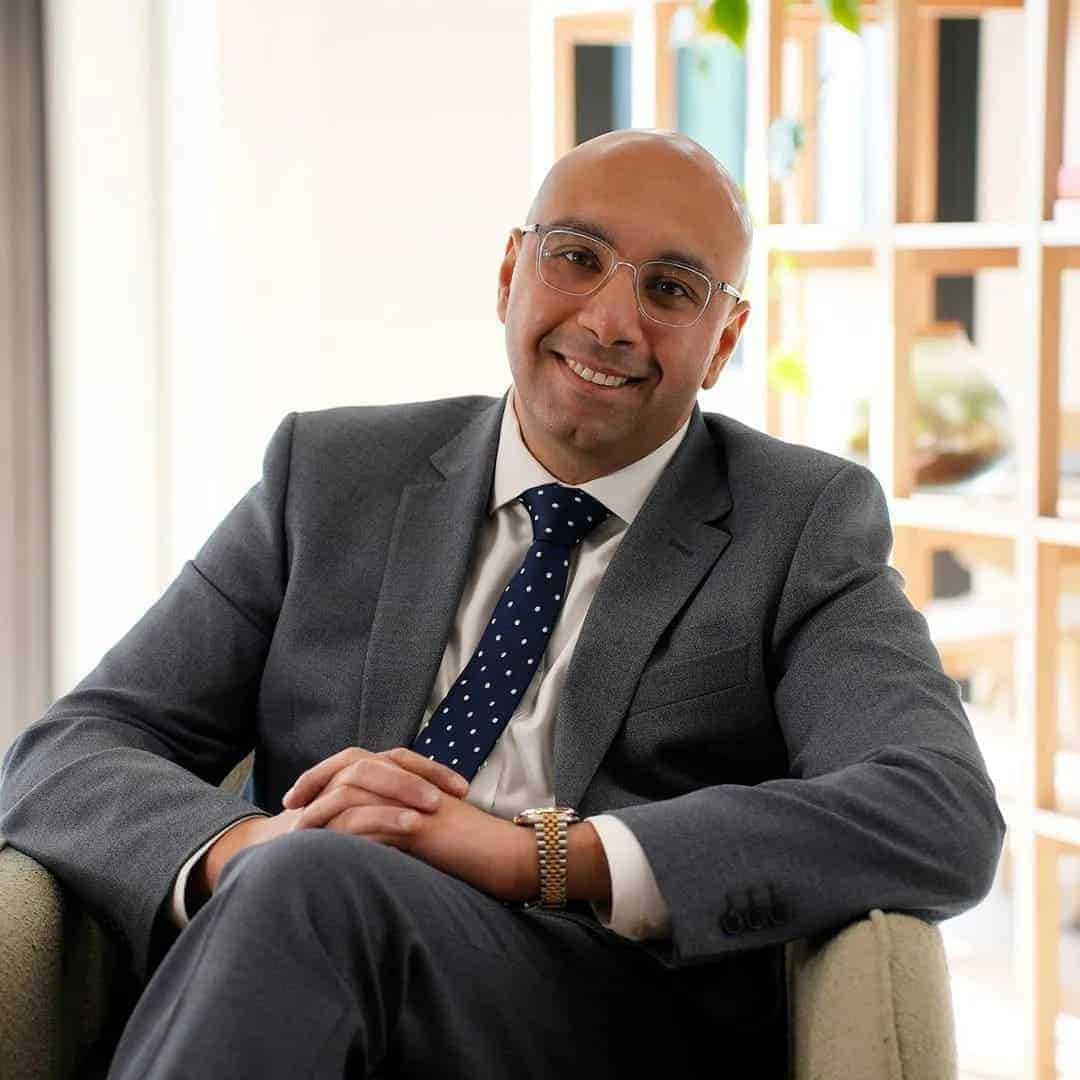





Every procedure at our Glasgow clinic is performed by a doctor on the GMC register
Our clinic is in the heart of Glasgow, a short walk from Buchanan Street subway and Queen Street station
Your surgeon is fully dedicated to your procedure from start to finish
Honest assessment of your donor hair and realistic outcome, no hard sell
A hair transplant for transgender patients is one of the most meaningful steps in the transition process. Whether you are looking to feminise your hairline, reverse hair loss caused by hormone therapy, or reshape your hairline to better reflect who you are, surgery at Hair Transplant Glasgow is performed by a GMC-registered surgeon with extensive experience in gender-affirming hair restoration.
Book a free consultation to discuss your goals with a member of our team.
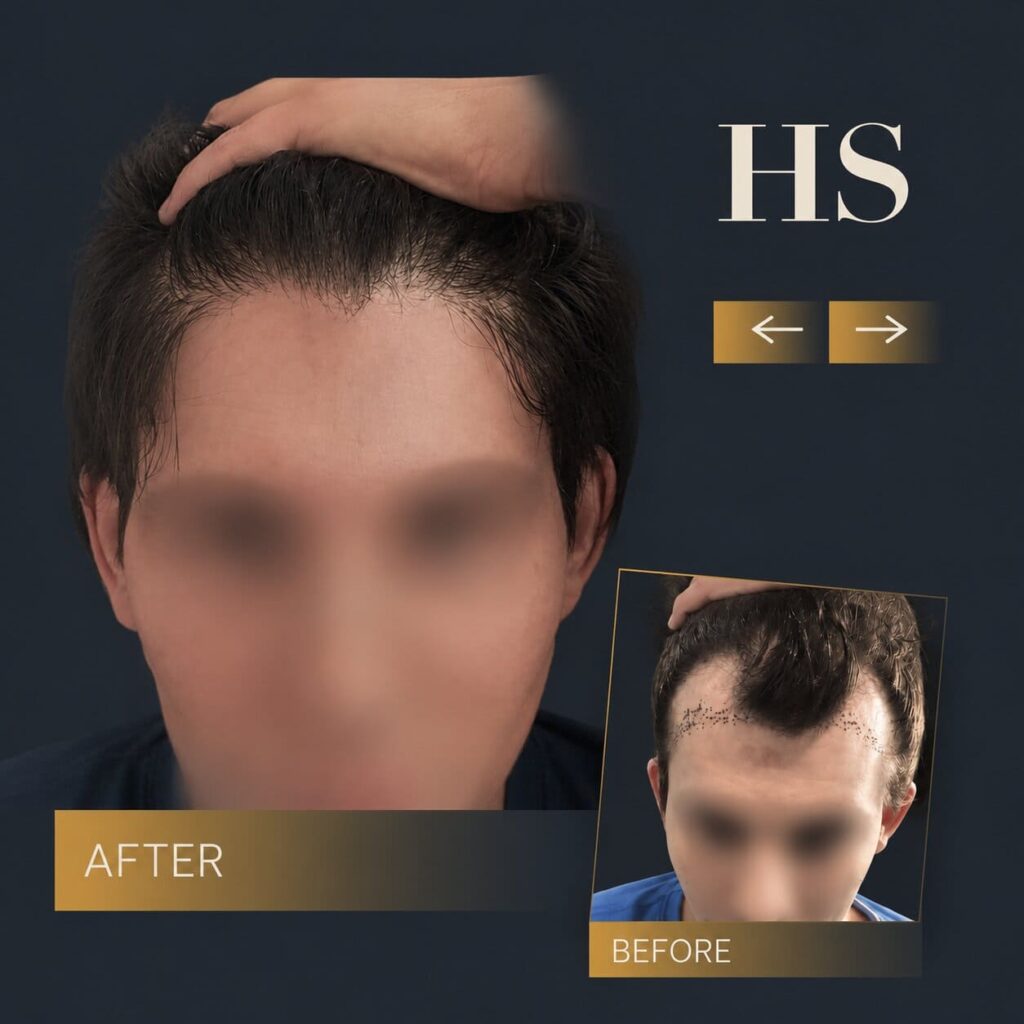
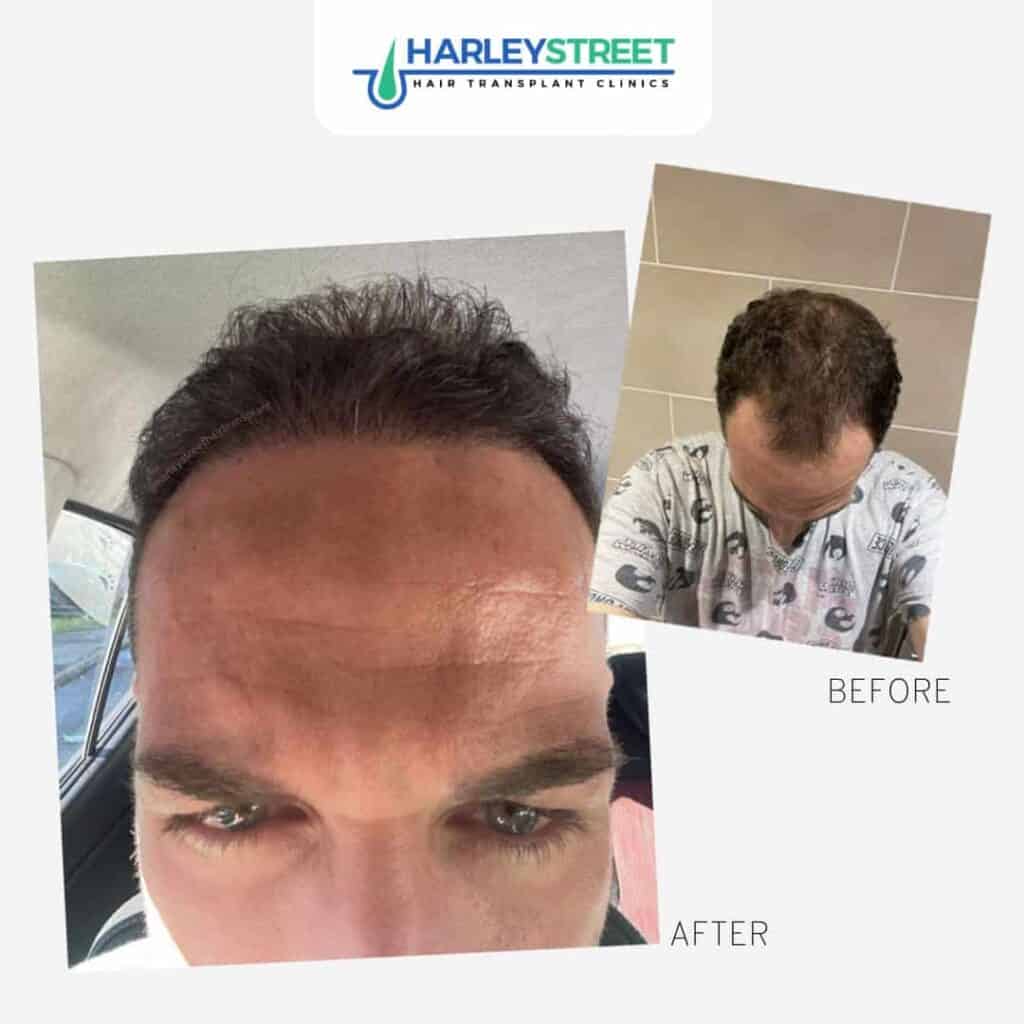
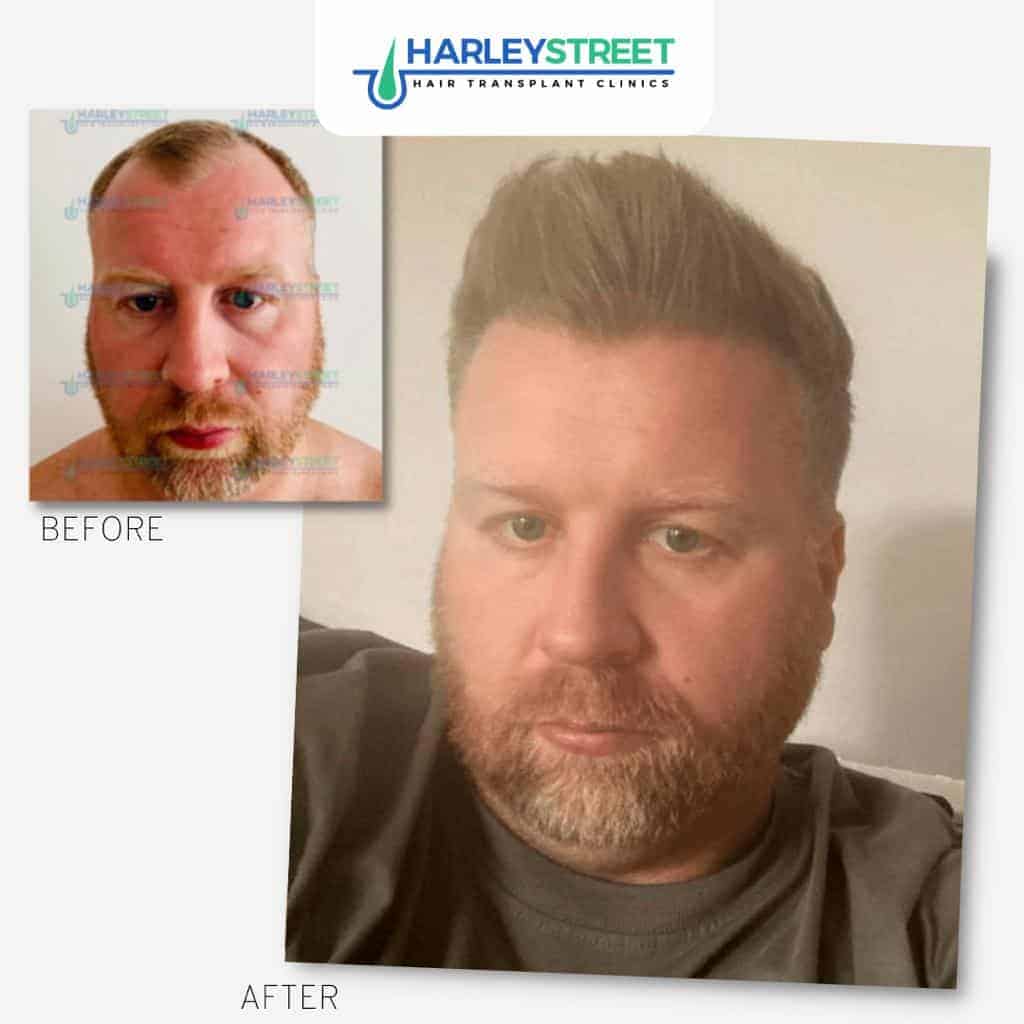
Before and After Transgender Hair Transplant Results in Glasgow
A selection of results from patients treated at our Glasgow clinic. All procedures were performed by our GMC-registered surgeons.
Transgender Hair Transplant in Glasgow
Hair transplant surgery for transgender patients works on the same surgical principles as any other hair restoration procedure. Hair follicles are taken from the donor area, typically the back and sides of the head, and implanted into the recipient site. For most transgender patients, the recipient site is the hairline and temple region.
What makes a transgender hair transplant specific is the intended outcome. The goal is not simply to restore hair density, but to reshape the hairline in a way that reinforces gender identity. For male-to-female (MTF) patients, this means creating a softer, rounder, more feminine-looking hairline. For female-to-male (FTM) patients, it means introducing a more angular, masculine shape.
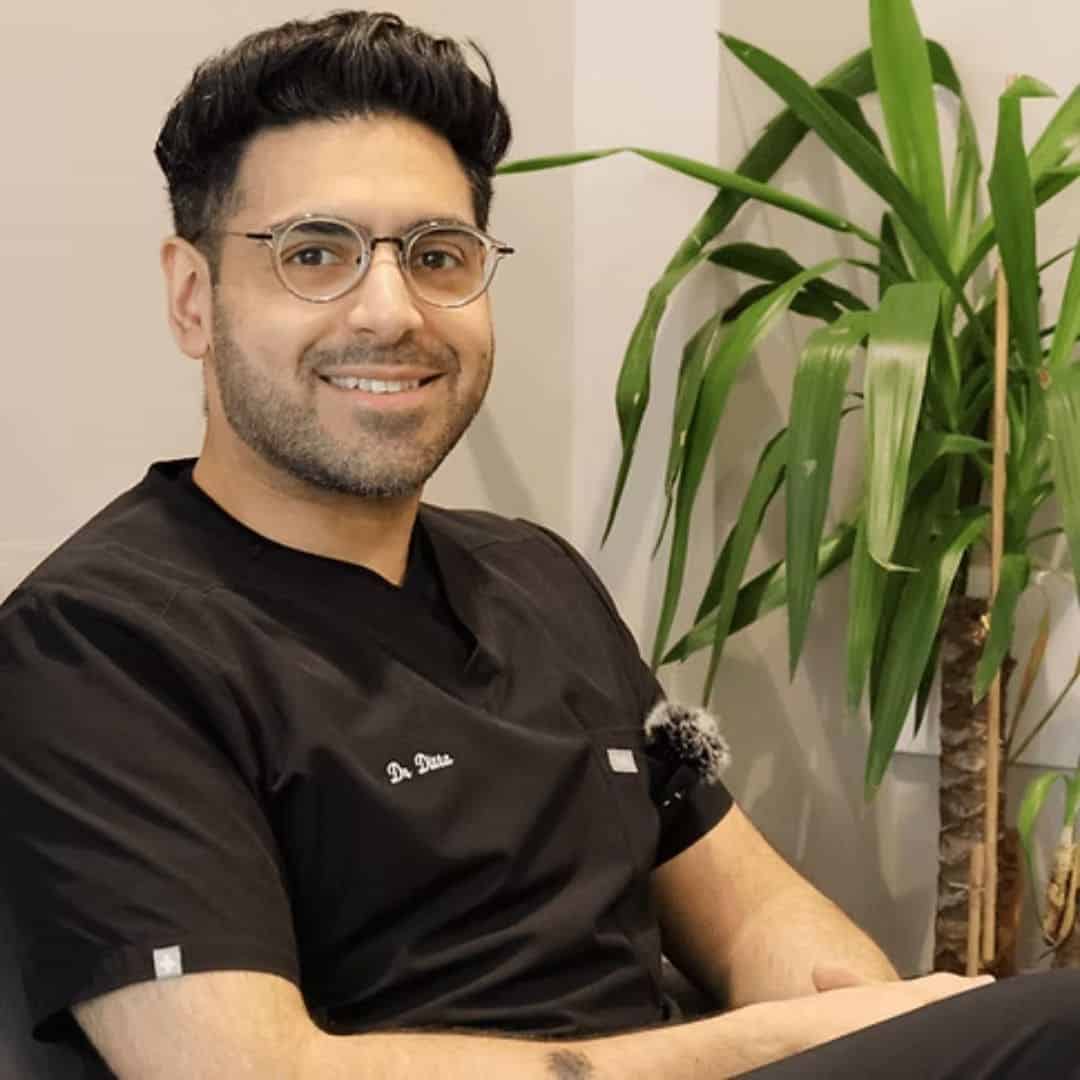
At Hair Transplant Glasgow, surgery is carried out by Dr Aziz Elgindi or Dr Mohammed Ditta, both of whom are GMC-registered surgeons. No work is delegated to technicians.
MTF Transgender Hair Transplant
The most common reason male-to-female transgender patients come to our Glasgow clinic is hair loss that occurred prior to transitioning. Male pattern baldness (androgenetic alopecia) is a condition driven by DHT, a derivative of testosterone. Once the hair follicles in the hairline and temple area have miniaturised and been lost, hormone replacement therapy alone will not restore them. The hair loss is permanent without surgical intervention.
A transgender hair transplant addresses this in two ways. First, it restores density in areas where hair loss has occurred. Second, it reshapes the hairline into a feminine profile, with a lower, more rounded frontal line and softened temples. This combination is what creates a genuinely gender-affirming result rather than simply a filled-in version of a male hairline.
The graft count for MTF patients depends on the degree of hair loss and the size of the area being treated. Most MTF patients require between 1,800 and 3,000 grafts. Because the surface area of a feminine hairline is larger and more rounded than a male hairline, the graft requirement tends to be higher than for a standard male hairline restoration. This mirrors the approach taken for women’s hair transplants, where the same rounded hairline principles apply.
For patients who prefer not to shave the donor area before surgery, the FUT technique is a strong option. A strip of hair-bearing scalp is removed from the back of the head under local anaesthetic, the grafts are prepared from the strip, and the linear scar is concealed beneath the surrounding hair. This means long hair can be maintained throughout, which is often important for MTF patients.
FTM Transgender Hair Transplant
Female-to-male transgender patients often begin to experience hair loss as a side effect of testosterone injections during hormone replacement therapy. Testosterone is converted in the body to DHT, which can trigger androgenetic alopecia in those who are genetically predisposed to it. The pattern of loss mirrors male pattern baldness, typically beginning at the temples and progressing to the crown over time.
For FTM patients, a hair transplant serves to work with this process rather than against it. The aim is to reshape the frontal hairline into a masculine profile, introducing a more angular, defined shape that is consistent with a male presentation. In cases where significant recession has already occurred, grafts are also used to restore density in the temple and mid-scalp areas.
A beard transplant is another option for FTM patients looking to develop facial hair. FUE allows individual grafts to be extracted and placed with precision across the beard area, including the chin, jaw, and cheeks. You can read more on our beard transplant page.
Which Technique is Used?
The two main techniques we offer for transgender hair transplant surgery are FUE and FUT. DHI is also available in suitable cases.
FUE (Follicular Unit Extraction) is the most commonly performed technique. Individual follicular units are extracted directly from the donor area using a small punch device. There is no linear scar. The donor area must be shaved short before extraction, which is a consideration for patients who prefer to keep their hair long.
FUT (Follicular Unit Transplantation) is preferred by many transgender patients, particularly MTF patients, who do not want to shave their hair before surgery. A narrow strip of scalp is removed from the back of the head, from which the grafts are prepared. The resulting scar is linear and sits beneath the surrounding hair. FUT also allows the surgeon to carefully select the best quality grafts from the strip, and the yield is often strong.
The right technique depends on your priorities, the extent of hair loss, and the look you want to achieve. Your surgeon will advise which approach is most appropriate at your free consultation.
Transgender Hair Transplant Cost Glasgow
At Hair Transplant Glasgow, transgender hair transplant procedures typically cost between £4,500 and £6,500. The final figure depends on the size of the recipient area, the complexity of the case, and the technique used.
We do not quote on a cost-per-graft basis. Because the exact number of grafts cannot be accurately predicted before surgery, pricing is based on the area of scalp being treated. This keeps things transparent and avoids post-surgery surprises.
Finance plans are available to spread the cost. Your patient advisor can explain the options available during your free consultation. A full personalised quote will be provided following your assessment.
See our hair transplant cost page for further details.
Make the best investment in yourself and find out more about how we can help eliminate hair loss for good!
Where to Find Us
Hair Transplant Glasgow is centrally located and easily accessible from across Scotland. Find us in Glasgow City Centre:
Hair Transplant Glasgow
69 Buchanan Street
Glasgow
G1 3HL
Our Glasgow clinic is well connected by public transport:
- Subway: Buchanan Street station (less than 1 minute walk)
- Train: Glasgow Queen Street and Glasgow Central stations (both within 5 minutes on foot)
- Bus: Buchanan Bus Station (5 minute walk)
If you are travelling by car, the clinic is a short drive from the M8 motorway with several car parks nearby, including the Buchanan Galleries multi-storey.
Recovery After a Transgender Hair Transplant
Recovery from a transgender hair transplant follows the same course as other FUE or FUT procedures. The recipient area is typically the hairline and temples, which heals well.
- Days 1 to 3: Mild redness and swelling around the hairline and forehead. This is normal and settles within a few days.
- Days 3 to 10: Small scabs form around each implanted graft. Leave these to fall away on their own. Do not pick at them.
- Weeks 2 to 4: Transplanted hairs shed. This is a standard part of the growth cycle and does not indicate failure.
- Months 2 to 4: Shedding ends and new growth begins to emerge from the implanted follicles.
- Months 4 to 8: Regrowth accelerates. Hair thickens and texture becomes more natural.
- Months 12 to 14: Full results are visible. The transplanted hairline is permanent and grows as natural hair.
Most patients return to desk-based work within 5 to 7 days. Strenuous activity should be avoided for 10 to 14 days. Your surgeon will provide a full written aftercare guide at the end of surgery.
Frequently Asked Questions
Yes. Hair transplants are a permanent solution. The follicles taken from the donor area are not susceptible to DHT-related hair loss and will continue to grow in the recipient site for life. Provided the right aftercare is followed, there is no reason a result should not last a lifetime.
The graft count depends on the extent of hair loss and the goals of surgery. For MTF patients restoring a feminine hairline from a receded position, between 1,800 and 3,000 grafts are typically required. Because a feminine hairline is more rounded and covers more surface area than a male hairline, the count tends to be higher than for a standard male hairline restoration. For FTM patients reshaping the hairline into a more masculine profile, the count is usually lower. Your surgeon will give you an accurate estimate following assessment at your free consultation.
FUT (Follicular Unit Transplantation) is the preferred option for patients who do not want to shave their donor area before surgery. A strip of hair-bearing scalp is removed from the back of the head and the follicles are prepared from it. The hair surrounding the scar conceals it, meaning surgery can be carried out without shaving the donor area short. FUE requires the donor area to be shaved, which is a consideration for MTF patients who prefer to maintain longer hair throughout.
In most cases, yes. HRT does not prevent you from being a suitable candidate for surgery. Your surgeon will review your current medications and general health at your free consultation. It is important to be open about your HRT regimen so that any relevant considerations can be factored into your assessment and aftercare advice.
No. Before your procedure, a local anaesthetic is applied to the scalp. This numbs the area and makes the process comfortable throughout. Most patients describe the sensation during surgery as mild pressure rather than pain. The local anaesthetic is applied by the surgeon and takes effect quickly.
All surgery at Hair Transplant Glasgow is performed by one of our two GMC-registered surgeons:
- Dr Aziz Elgindi (GMC: 7450896). Dr Elgindi is our most experienced surgeon with extensive experience in FUE, FUT, and gender-affirming hairline work.
- Dr Mohammed Ditta (GMC: 7084372). Dr Ditta is trained in FUE hair transplant surgery and has performed a large number of procedures.
No work is delegated to non-surgical staff.
Patient Testimonials
Aside from achieving fantastic results, we believe that keeping in touch with our patients before, during and after their hair transplantation procedure is paramount – it helps to keep our patients feeling calm and in control. We’re always on hand to provide guidance, support and aftercare advice. Time and again, our patients tell us that this is what sets us apart from other clinics.
You can read our great reviews of FUE hair transplants over on Google and Trustpilot